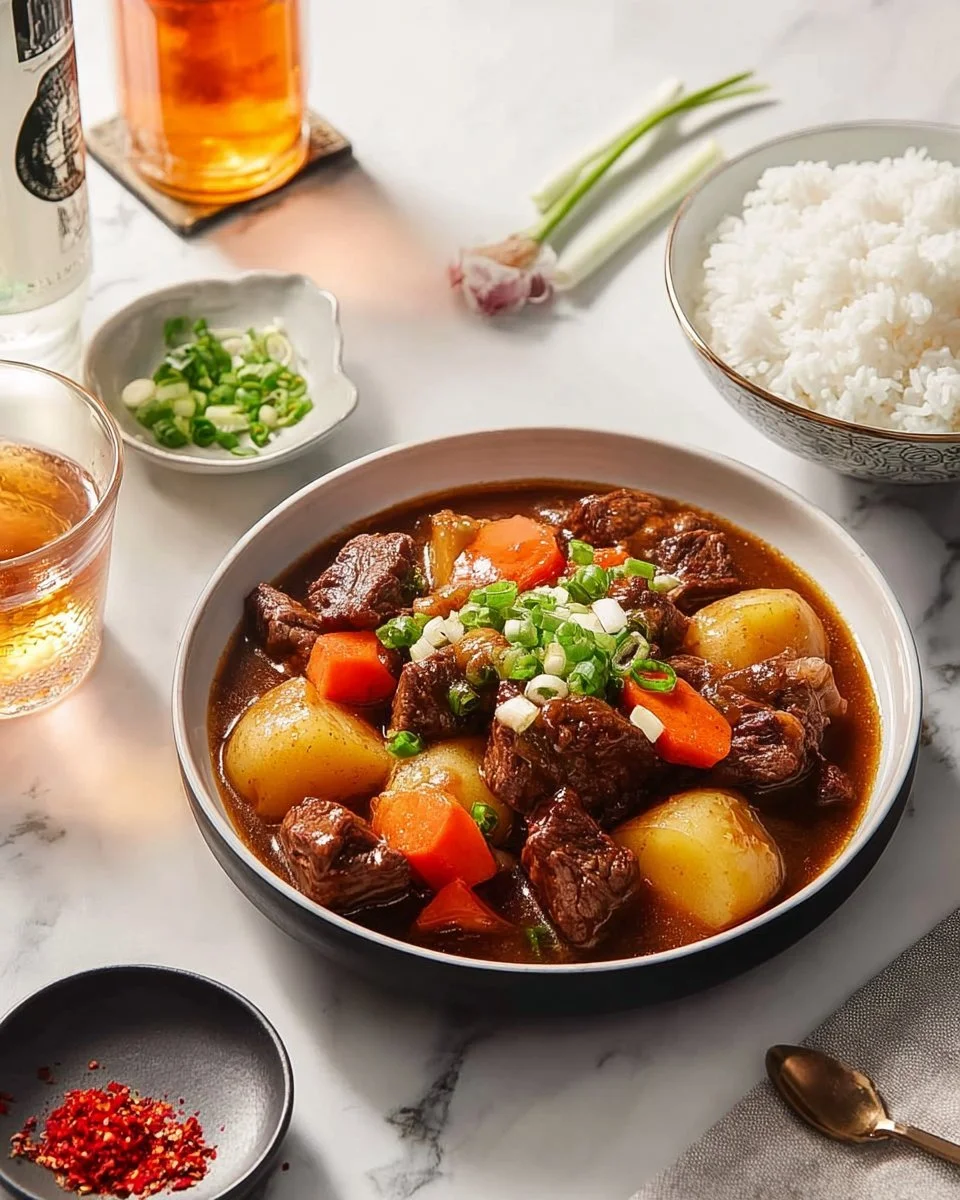
Traditional Japanese Stew
Traditional Japanese Stew: A Heartwarming Dish You’ll Want to Try!
Hey there, food lover! If you’ve ever found yourself daydreaming about warm, comforting, melt-in-your-mouth meals (who hasn’t, right?), then traditional Japanese stew should be at the top of your list. Today, we’re diving deep into this heartwarming dish that not only fills your belly but also warms your soul. Grab a cozy blanket and let’s get started!
What is Japanese Stew?
So, what’s the deal with Japanese stew? Well, it’s not some fancy-schmancy dish you need to reserve a month in advance to enjoy. Instead, it’s a home-cooked delight that’s all about simplicity and heartiness. The most renowned version is called Nabemono, which literally translates to “cooked in a pot.”
Why Should You Care?
This isn’t just any stew; it’s a dish steeped in culture and tradition. Ever wondered why food brings people together? Nabemono is usually enjoyed during gatherings and is often prepared in a communal pot, so you can bond over the bubbling goodness! Yum, right?
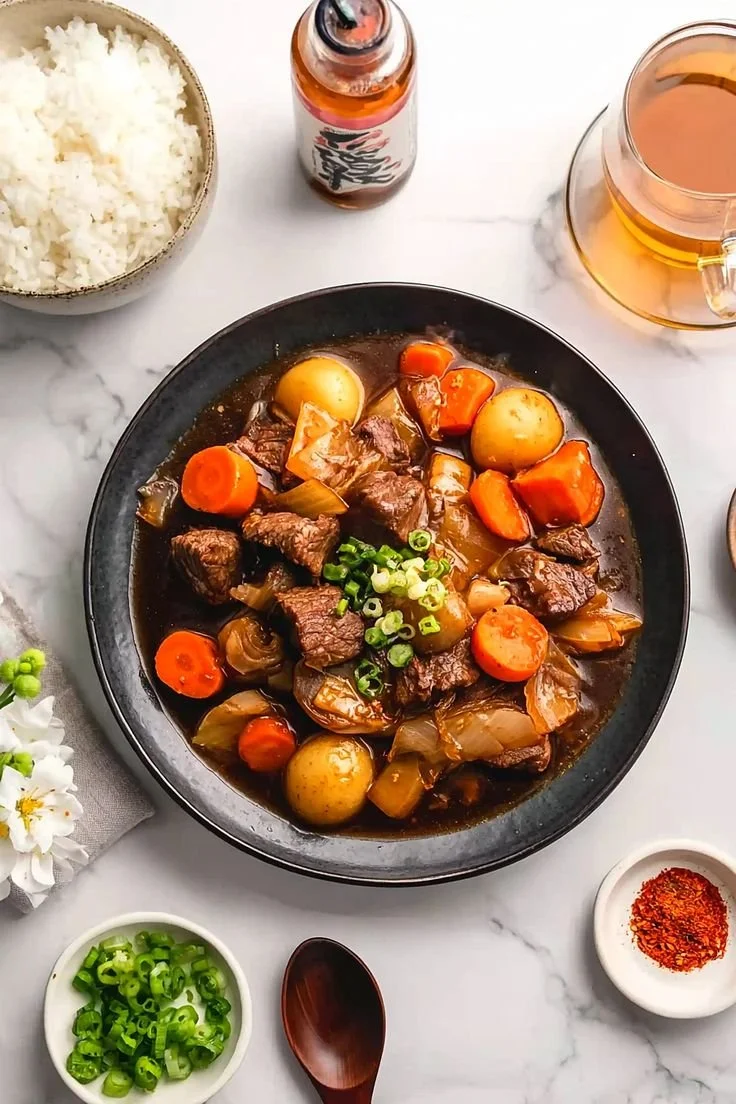
The Ingredients That Make Magic Happen
Curious about what goes into this magic pot of joy? Here are the key ingredients that make up traditional Japanese stew:
Main Ingredients:
- Meat & Seafood: Chicken, beef, pork, or even fish are often used. Choose your fave or mix it up!
- Vegetables: Daikon (Japanese radish), carrots, mushrooms, tofu, and green onions are common.
- Broth: The base is usually made from dashi (a fish stock) or even miso for an added depth of flavor.
- Seasonings: Soy sauce, mirin (sweet rice wine), and a sprinkle of sesame oil can elevate your stew.
Ever tried steaming a spoon of it before heading straight for the couch? You totally should!
Getting Crafty: How to Make Traditional Japanese Stew
Ready to roll up your sleeves? Making traditional Japanese stew is easier than you might think. Here’s a simple step-by-step breakdown to get you started:
What You’ll Need:
- A large, heavy-bottomed pot
- A ladle (or your favorite spoon – no judgment here!)
- Ingredients listed above (plus love, obviously!)
Steps to Create Your Masterpiece:
-
Prep Your Ingredients: Chop your veggies, slice the meat, and get everything ready. It’s like getting your mise en place, but for a cozy night in!
-
Make the Broth: Start by boiling your dashi or miso. Add soy sauce and mirin for that extra kick. This is where the magic begins!
-
Layer in the Good Stuff: Add your meat first, let it cook down, then toss in the hardier veggies like daikon and carrots. Give it a stir!
-
Bring in the Softies: After a few minutes, throw in your mushrooms, tofu, and any quick-cooking greens. Let everything simmer until cooked through.
-
Serve & Enjoy: Ladle the hot stew into bowls, grab some rice (always rice!), and gather around the table with your friends and family. Trust me, this part’s the best.
The Variations Are Endless!
One of the coolest things about traditional Japanese stew is that there’s no one right way to make it. You can customize it based on what’s in your fridge. Seriously, how fun is that?
A Few Popular Variants:
-
Sukiyaki: A hot pot dish that combines thin-sliced beef, veggies, and a sweet soy sauce. Sweet and savory? Yes, please!
-
Shabu-shabu: Where you dip thin slices of meat into hot broth right before eating. It’s kinda like dinner and a show, right?
-
Oden: A winter favorite featuring a mix of fish cakes, boiled eggs, and veggies all simmered in a soy-flavored broth. Perfect for those chilly nights!
Pairing It Up: What to Serve with Your Stew
Now that you’ve got your steaming bowl of stew ready to rock, what do you serve it with? Don’t fret; I’ve got you covered!
Recommended Pairings:
- Steamed Rice: A classic! Nothing beats rice soaking up that delicious broth.
- Pickles (Tsukemono): These add a delightful crunch to balance out the flavors.
- Salad: Something light like a cucumber salad is a perfect contrast.
- Japanese Beer or Sake: Or your favorite beverage, of course! You do you. 😊
A Personal Touch: MyFavorite Nabemono Memory
Let me tell you a quick story! I remember the first time I tried making Nabemono at home. My friend said, “Just throw everything in a pot and let it simmer.” I was skeptical. Isn’t that what people say right before they burn the house down? 😅 But I went for it. Long story short, it turned out amazing! The kitchen smelled like heaven, and I still get warm fuzzies thinking about that night with friends huddled together, slurping our bowls clean.
Tips and Tricks for the Perfect Stew
Let’s wrap up with a few pro tips to ensure your stew is nothing short of fantastic.
- Quality Ingredients Matter: Good quality meat and fresh veggies can really elevate your dish. Don’t cheap out here!
- Umami Boosters: Nagano mushrooms or konbu (kelp) can enhance the umami flavor. Give it a go!
- Simmer Time: Don’t rush it! Low and slow is the name of the game for the best flavors.
- Taste and Adjust: Everyone’s palate is different. Don’t be shy to tweak the seasonings to your liking.
Wrapping It Up
There you have it, folks! Traditional Japanese stew is not just a meal; it’s an experience full of flavor, warmth, and love. So next time you find yourself craving something cozy, why not try making this dish? Dive in, explore your culinary creativity, and make it your own. 🙌
Feeling inspired? Go grab your ingredients, put on your favorite playlist, and get cooking! After all, what’s better than a good meal shared with good company? Remember: life is too short for boring food. Happy cooking!
Print
Traditional Japanese Stew
- Total Time: 45 minutes
- Yield: 4 servings
- Diet: Pescatarian
Description
A heartwarming and comforting traditional Japanese stew known as Nabemono, perfect for cozy gatherings.
Ingredients
- Chicken, beef, pork, or fish (your choice)
- Daikon (Japanese radish)
- Carrots
- Mushrooms
- Tofu
- Green onions
- Dashi or miso (for broth)
- Soy sauce
- Mirin (sweet rice wine)
- Sesame oil
Instructions
- Prep your ingredients: Chop veggies, slice meat, and gather everything.
- Make the broth: Boil dashi or miso, adding soy sauce and mirin.
- Layer in the good stuff: Cook the meat first, followed by hardier veggies like daikon and carrots.
- Add the soft veggies: Throw in mushrooms, tofu, and greens; let simmer.
- Serve & enjoy: Ladle stew into bowls, serve with rice, and gather around with loved ones.
Notes
Customize the stew with whatever ingredients you have on hand. Quality ingredients elevate the dish.
- Prep Time: 15 minutes
- Cook Time: 30 minutes
- Category: Main Course
- Method: Stovetop
- Cuisine: Japanese
Nutrition
- Serving Size: 1 serving
- Calories: 400
- Sugar: 3g
- Sodium: 600mg
- Fat: 15g
- Saturated Fat: 3g
- Unsaturated Fat: 10g
- Trans Fat: 0g
- Carbohydrates: 45g
- Fiber: 4g
- Protein: 20g
- Cholesterol: 50mg